
Regional market
East Asia
The quality market. Japan and Korea pay for fat content, size grade and consistency — and reject on all three.
East Asia is where Norwegian seafood earns its highest per-kilo prices and faces its strictest inspection. Japanese buyers grade mackerel to the 100 gram band and will reject a lot that misses it. Korean and Chinese importers work to specifications that assume the supplier already understands the end use — sashimi, grilling, or reprocessing — and price accordingly. This is not a market to enter with a general offer; it is a market where the specification comes first and the price follows from it.
Most requested species
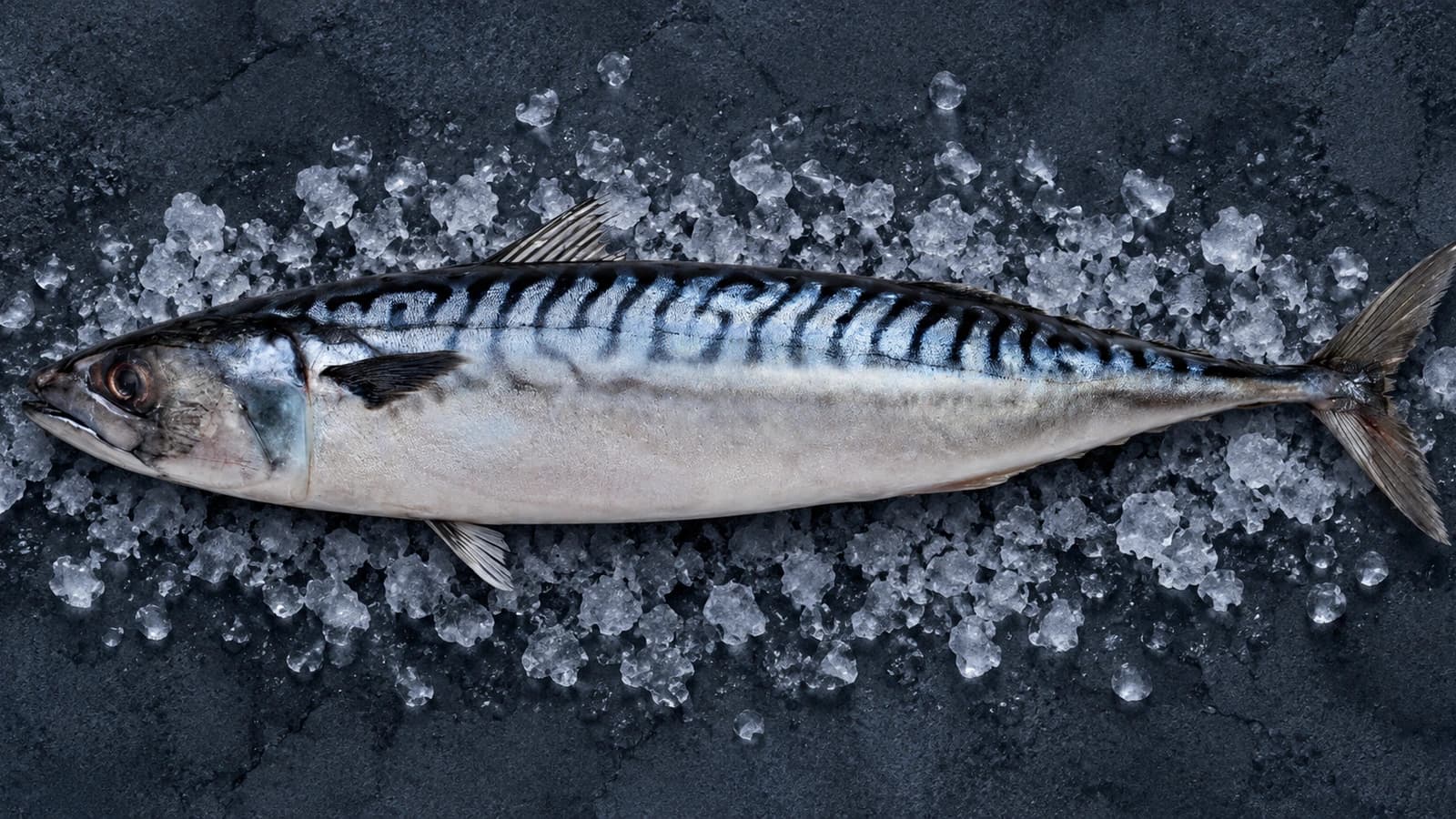
Atlantic mackerel
Scomber scombrus
The autumn fishery delivers the highest fat content of the year. Graded strictly by weight for the Japanese and Korean trade.
- Season now
- Peak season
- Origin
- Wild-caught
- Condition
- Frozen
- Forms
- WR · FLT · FLAP
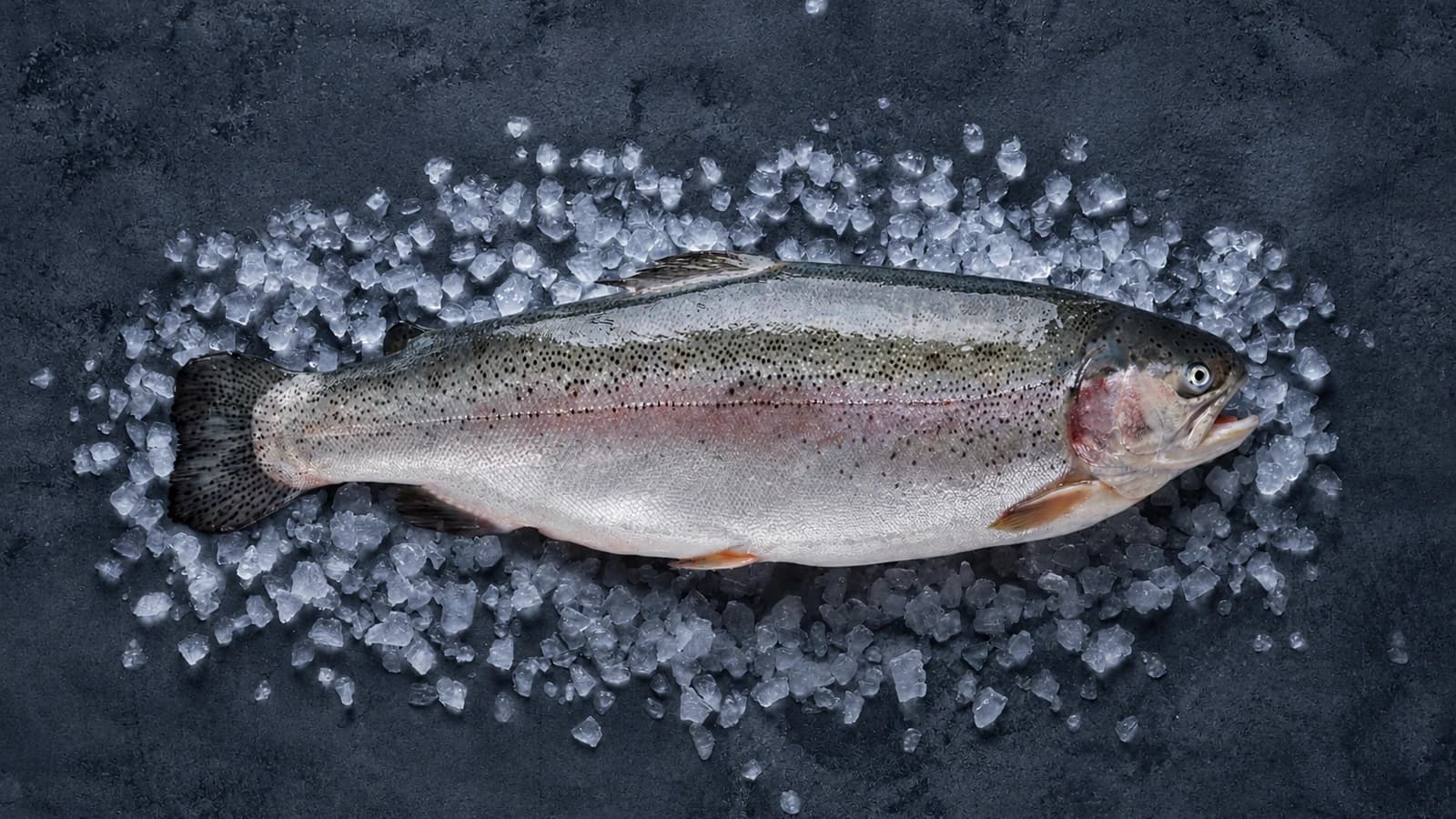
Fjord trout
Oncorhynchus mykiss
Deeper colour and firmer texture than salmon, in far smaller volume. A premium position where supply is the constraint, not demand.
- Season now
- Available
- Origin
- Farmed
- Condition
- Fresh, chilled · Frozen · Smoked
- Forms
- HOG · FLT · LOIN · PORT · VA
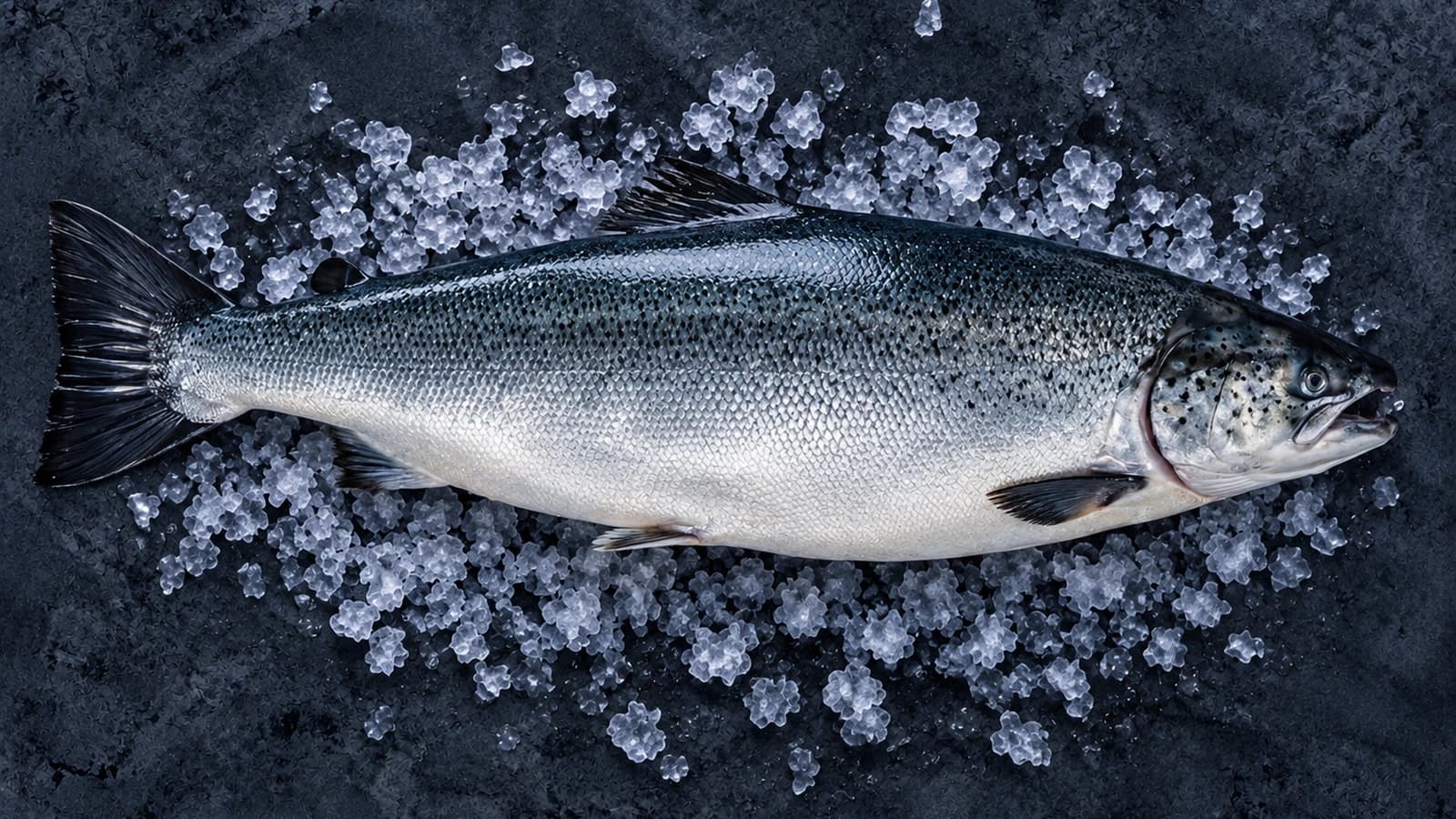
Atlantic salmon
Salmo salar
Norway’s largest seafood export. Continuous harvest, predictable size distribution, and airfreight to the main Asian and Gulf markets in one to three days.
- Season now
- Peak season
- Origin
- Farmed
- Condition
- Fresh, chilled · Frozen · Smoked
- Forms
- HOG · FLT · LOIN · PORT · VA
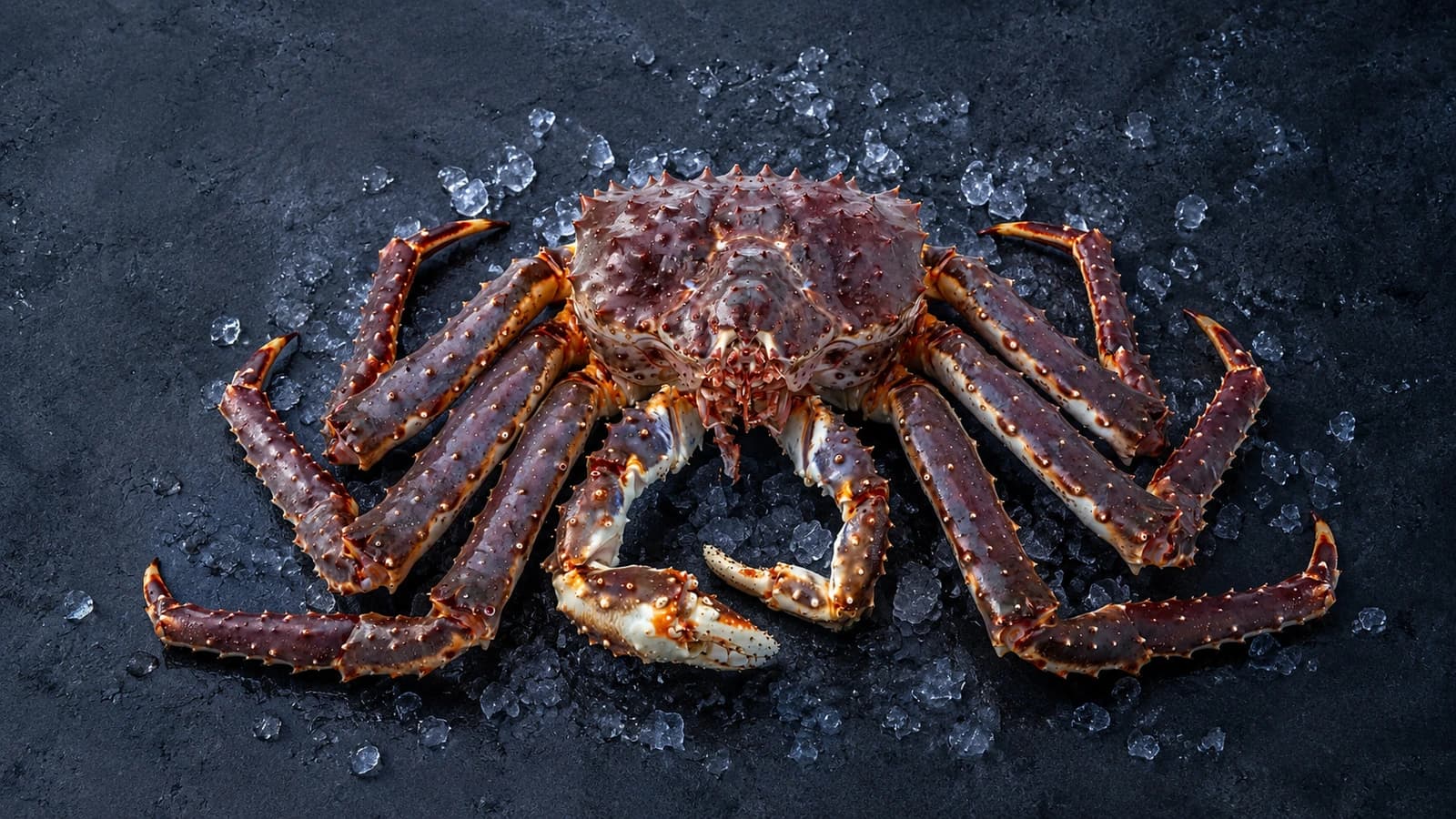
Red king crab
Paralithodes camtschaticus
Finnmark king crab, live or frozen clusters. Small quota, high value, and the tightest logistics of anything we handle.
- Season now
- Available
- Origin
- Wild-caught
- Condition
- Live · Frozen
- Forms
- WR · CLST
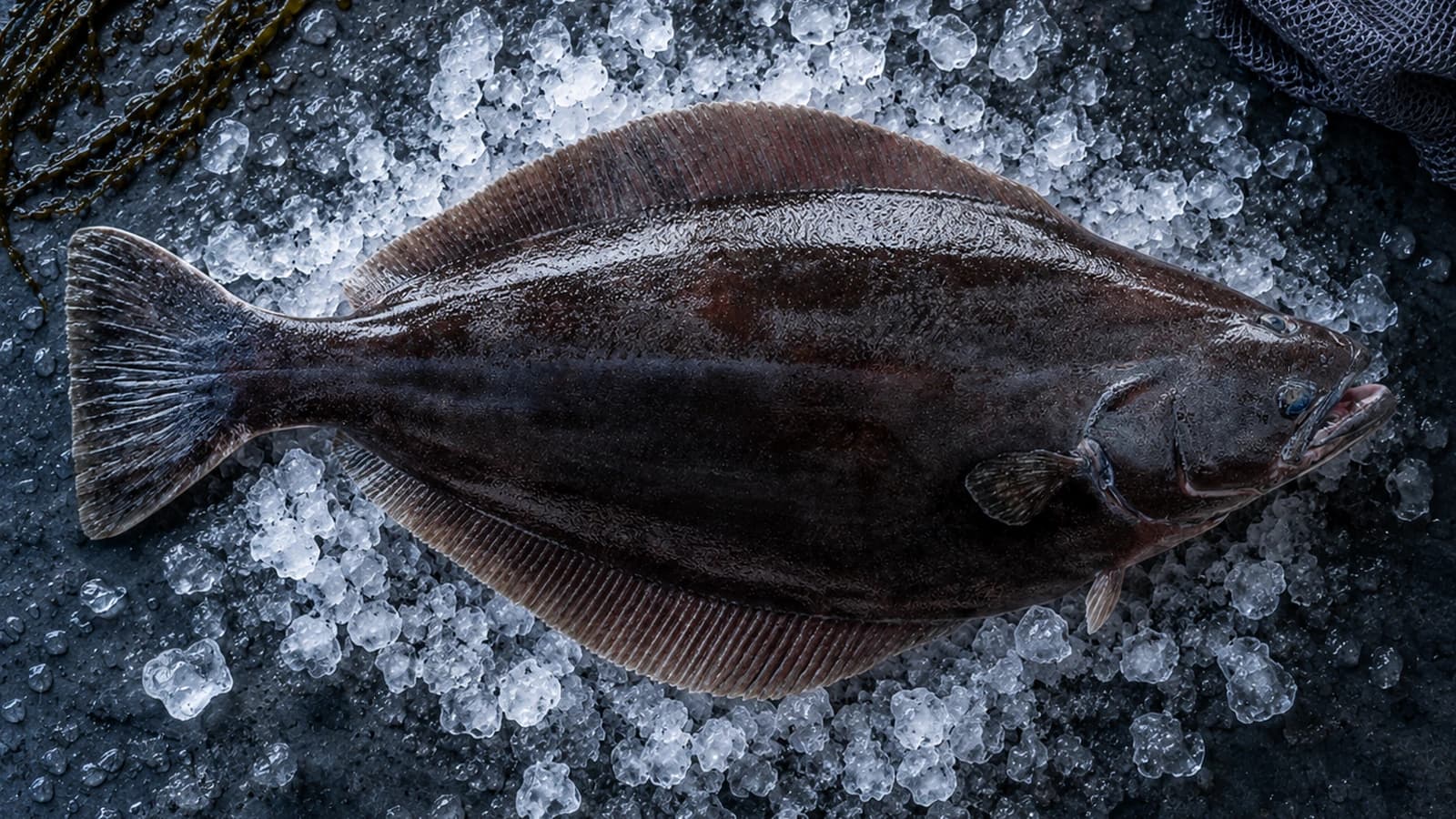
Greenland halibut
Reinhardtius hippoglossoides
High-fat, deep-water flatfish with a tightly regulated fishery. Almost entirely frozen at sea and sold on size grade.
- Season now
- Limited volume
- Origin
- Wild-caught
- Condition
- Frozen · Smoked
- Forms
- HG · FLT · PORT
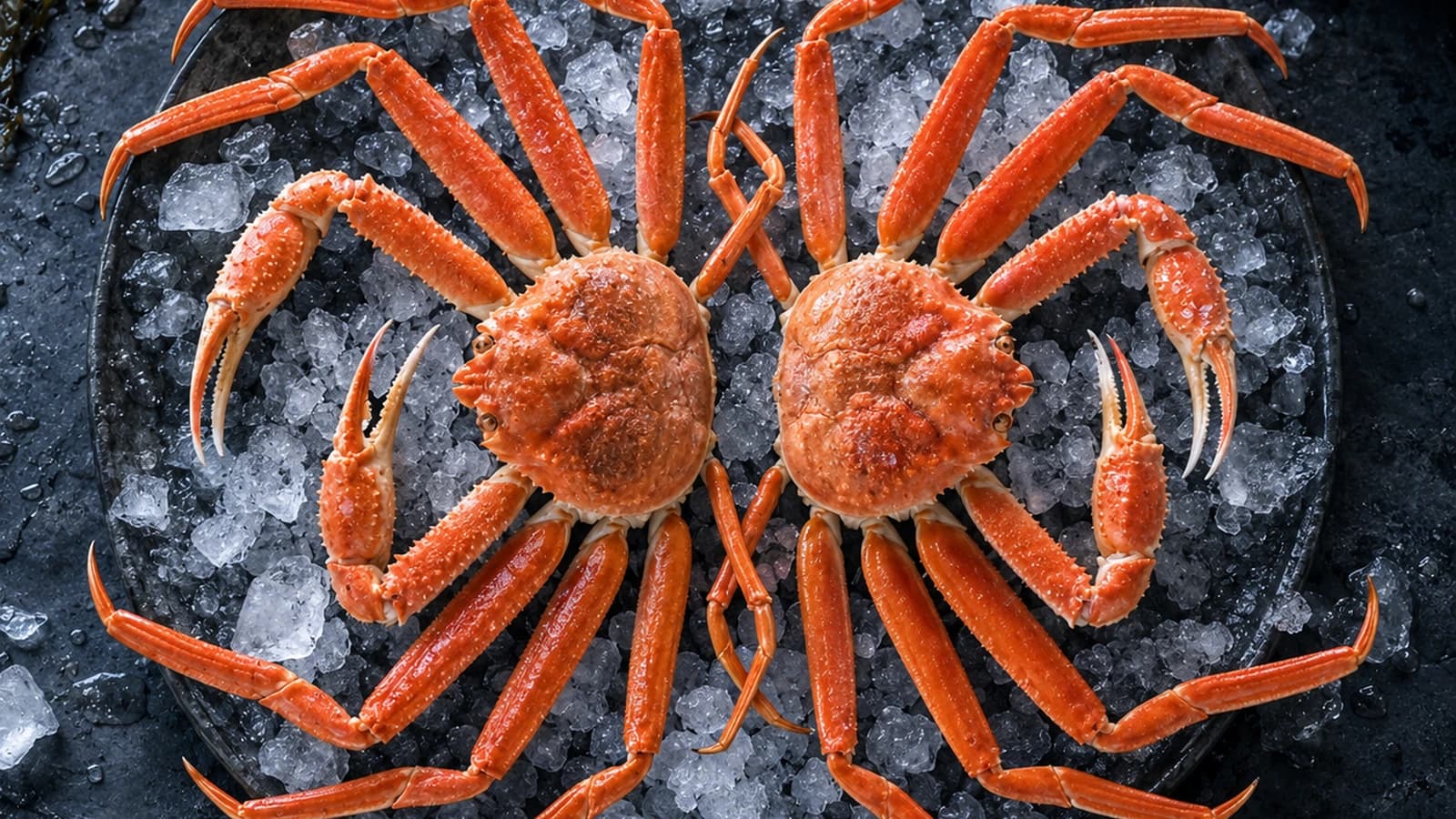
Snow crab
Chionoecetes opilio
Barents Sea snow crab, cooked and frozen at sea in clusters. A newer Norwegian fishery with growing volume.
- Season now
- Out of season
- Origin
- Wild-caught
- Condition
- Frozen
- Forms
- CLST
Preferred product forms
- Whole round mackerel, strictly graded, autumn-caught
- Fjord trout and salmon fillet for sashimi
- Greenland halibut steaks and portions for grilling
- Live and frozen king crab
Certificate and document requirements
- Health certificate with the destination’s own wording
- Catch certificate and vessel traceability to lot level
- Radionuclide or contaminant analysis where requested
Transport modes
- Reefer container via Suez or transhipment, 30–45 days
- Airfreight for live crab and premium fresh fillet
Typical door-to-door transit as quoted by forwarders, counted from collection at the plant to delivery at the buyer’s address, including export handling and import clearance under normal conditions. Customs holds, inspection sampling and missed connections are not included. Last reviewed 15 September 2026.
- Packing and sizes
- Cartons marked with grade band, catch date and vessel. Japanese buyers commonly specify carton print and pallet pattern in the contract.
- Key ports
- Ålesund · Oslo · Busan · Tokyo · Shanghai · Qingdao
- Buyer categories
- Trading houses and importers
- Reprocessors serving retail and convenience
- Premium food service and sashimi supply
- Payment risk
- Letters of credit are the norm for new relationships. Established trading houses work on open account, but the documentary standard stays high either way.
- Seasonal opportunity
- The mackerel window from September to November governs the year. Booking reefer capacity before the season opens is the difference between a contract and a hope.
- Working languages
- English · 日本語 · 한국어 · 中文
- Time zone
- JST / KST / CST