
Regionaler Markt
South Asia
The fastest-growing salmon market with the least published guidance. Hospitality demand in India leads; import licensing and airfreight routing decide who actually gets supplied.
India, Sri Lanka and Bangladesh buy Norwegian salmon almost entirely for hotels, restaurants and a growing premium retail and online-grocery segment in the metropolitan cities. Very little of the trade is documented in English for buyers, which is why the most searched questions from the region are about the price per kilo and how to import at all. The practical answers are unglamorous: an importer licence in the buyer’s own name, an approved cold store, airfreight into Mumbai, Delhi or Bengaluru with coolant sized for tarmac time, and a health certificate issued in the wording the destination authority accepts. A buyer who has those four in place can be quoted within days; one who does not cannot be quoted at all.
Meistgefragte Arten
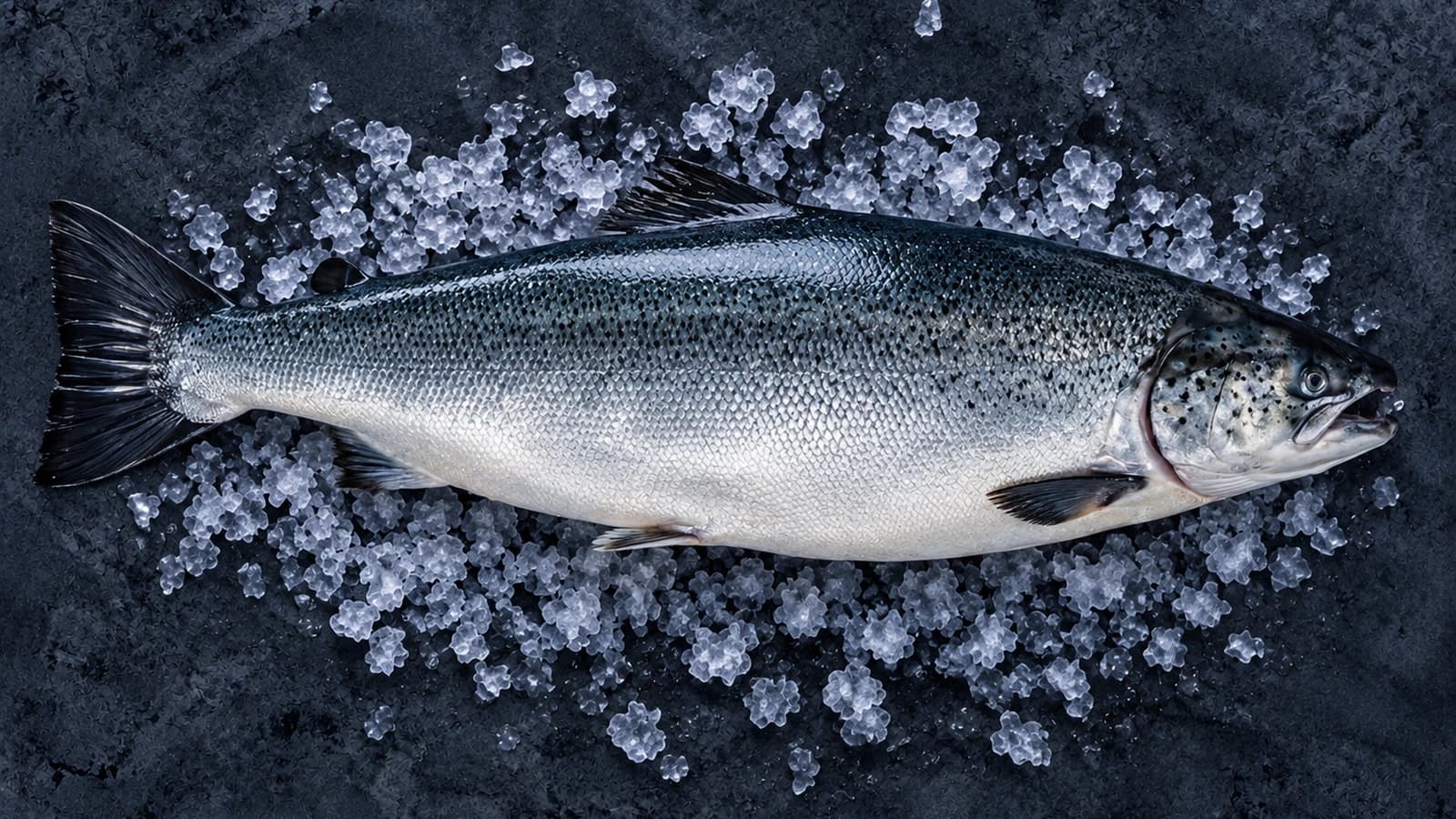
Atlantischer Lachs
Salmo salar
Norwegens größter Meeresfrüchte-Export. Ganzjährige Schlachtung, vorhersehbare Größenverteilung und Luftfracht in die wichtigsten Märkte Asiens und des Golfs in ein bis drei Tagen.
- Saison jetzt
- Hochsaison
- Herkunft
- Aquakultur
- Zustand
- Frisch, gekühlt · Gefroren · Geräuchert
- Formen
- HOG · FLT · LOIN · PORT · VA
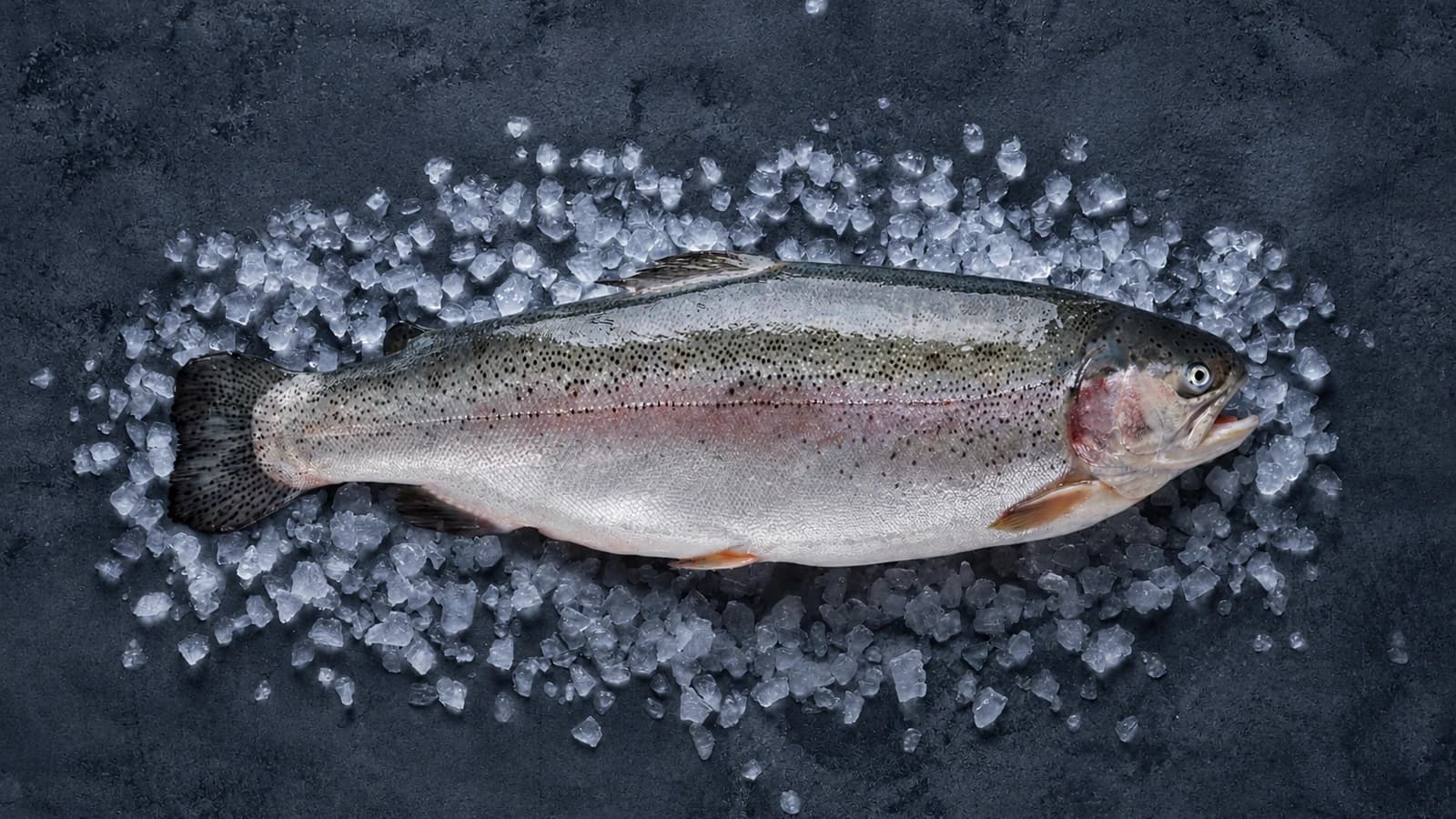
Fjordforelle
Oncorhynchus mykiss
Tiefere Farbe und festere Textur als Lachs, in weit kleinerer Menge. Eine Premiumposition, bei der das Angebot der Engpass ist, nicht die Nachfrage.
- Saison jetzt
- Verfügbar
- Herkunft
- Aquakultur
- Zustand
- Frisch, gekühlt · Gefroren · Geräuchert
- Formen
- HOG · FLT · LOIN · PORT · VA
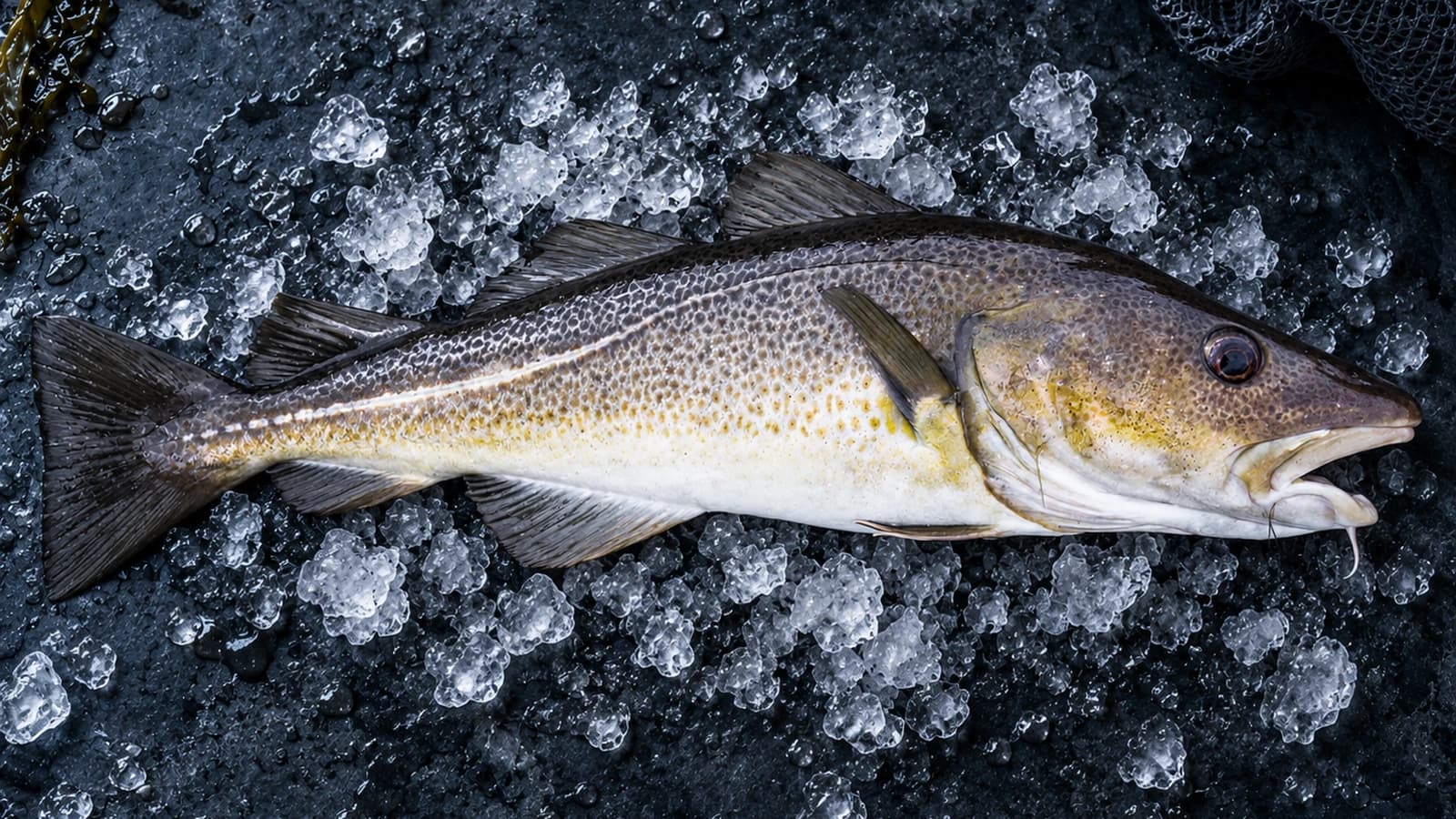
Atlantischer Kabeljau
Gadus morhua
Kabeljau aus Barentssee und Lofoten, quotenreguliert und MSC-zertifiziert. Das Skrei-Fenster von Januar bis April liefert die höchste Qualität des Jahres.
- Saison jetzt
- Verfügbar
- Herkunft
- Wildfang · Aquakultur
- Zustand
- Frisch, gekühlt · Gefroren
- Formen
- WR · HG · FLT · LOIN · PORT · SPLT
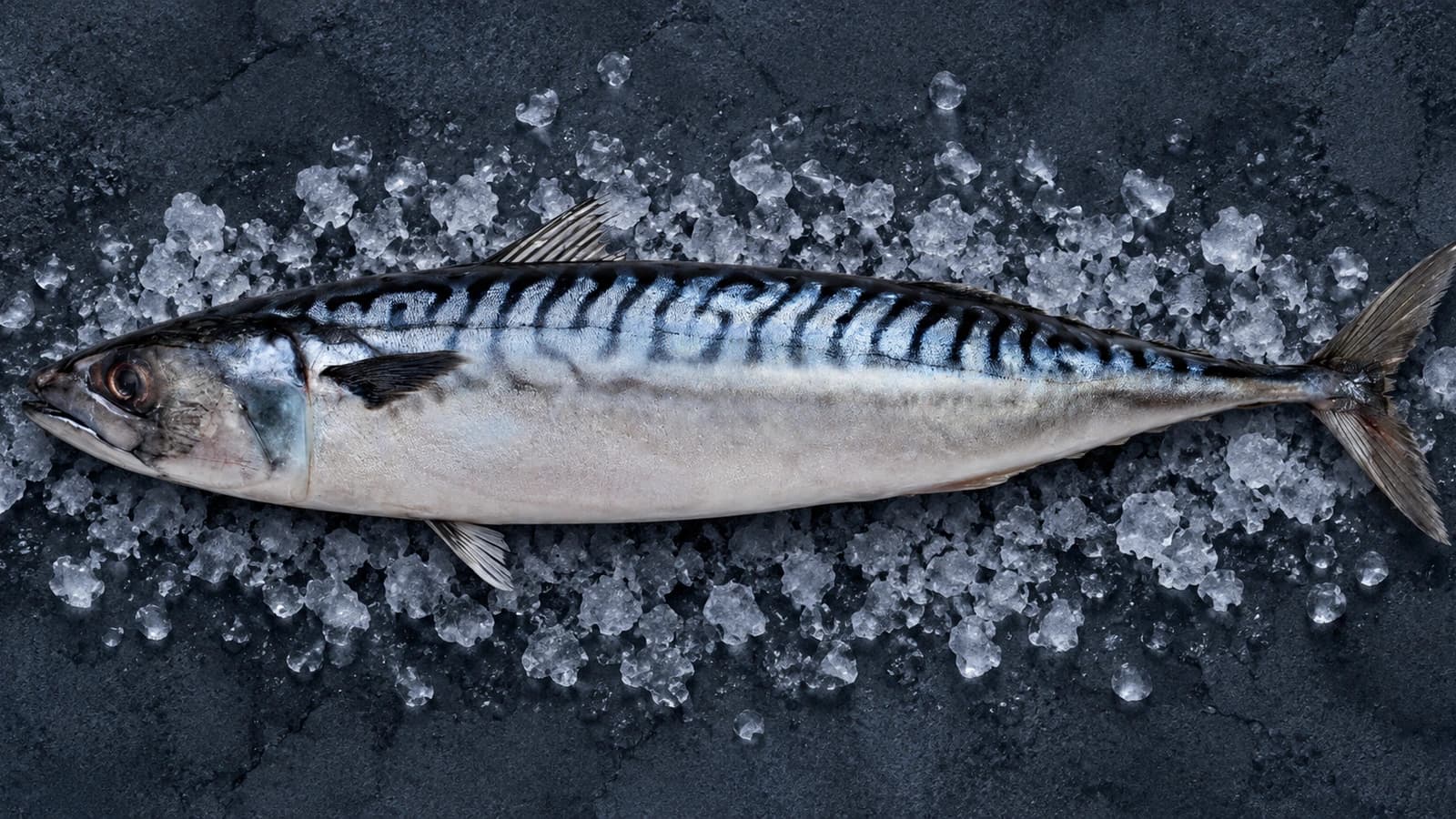
Makrele
Scomber scombrus
Die Herbstfischerei liefert den höchsten Fettgehalt des Jahres. Streng nach Gewicht sortiert für den japanischen und koreanischen Handel.
- Saison jetzt
- Hochsaison
- Herkunft
- Wildfang
- Zustand
- Gefroren
- Formen
- WR · FLT · FLAP
Bevorzugte Produktformen
- Fresh HOG salmon 4–6 kg for hotel and restaurant filleting
- Fresh and frozen fillet, trim D, pin bone out, for portioning
- Frozen portions and loins for premium retail and online grocery
- Frozen whole mackerel for the processing trade
Zertifikats- und Dokumentenanforderungen
- Importer licence or registration in the buyer’s own name, valid for fish products
- Health certificate from the Norwegian Food Safety Authority in the wording the destination accepts
- Certificate of origin, commercial invoice, packing list and air waybill
- Food-safety clearance at the port of entry by the destination authority before release
Transportarten
- Airfreight from Oslo via a European or Gulf hub, 2–3 days door to door for fresh
- Reefer container via Suez to Nhava Sheva or Chennai for frozen volume
Typische Haus-zu-Haus-Laufzeit laut Spediteuren, gerechnet von der Abholung im Werk bis zur Zustellung an die Adresse des Käufers, einschließlich Exportabfertigung und Importverzollung unter normalen Bedingungen. Zollrückhalte, Probenahmen und verpasste Anschlüsse sind nicht enthalten. Zuletzt geprüft am 15. September 2026.
- Verpackung und Größen
- Insulated air cargo packaging with coolant sized for tarmac exposure in heat. English labelling with importer details as the destination authority requires; net weight declared without ice.
- Wichtige Häfen
- Oslo · Mumbai · Delhi · Bengaluru · Nhava Sheva · Colombo
- Käufergruppen
- Hotel, restaurant and catering importers and distributors
- Premium retail chains and online grocery
- Processors portioning and repacking for domestic retail
- Zahlungsrisiko
- Documented per counterparty. First trades are normally against advance payment or a confirmed letter of credit; local-currency volatility is carried by whoever holds the currency exposure in the contract, so name it.
- Saisonale Gelegenheit
- The wedding and tourist season from October to March is the demand peak; hospitality demand softens through the monsoon months. Plan airfreight capacity against the Indian calendar, not the Norwegian harvest curve.
- Arbeitssprachen
- English · हिन्दी
- Zeitzone
- IST